
10 Things to Know About the Detention Center Miami and Bail Bonds
Curious about the Detention Center in Miami and how bail bonds work? Whether you're dealing directly with these systems or just interested, this guide simplifies everything you need to know. Let's dive into the essentials and demystify these complex topics.
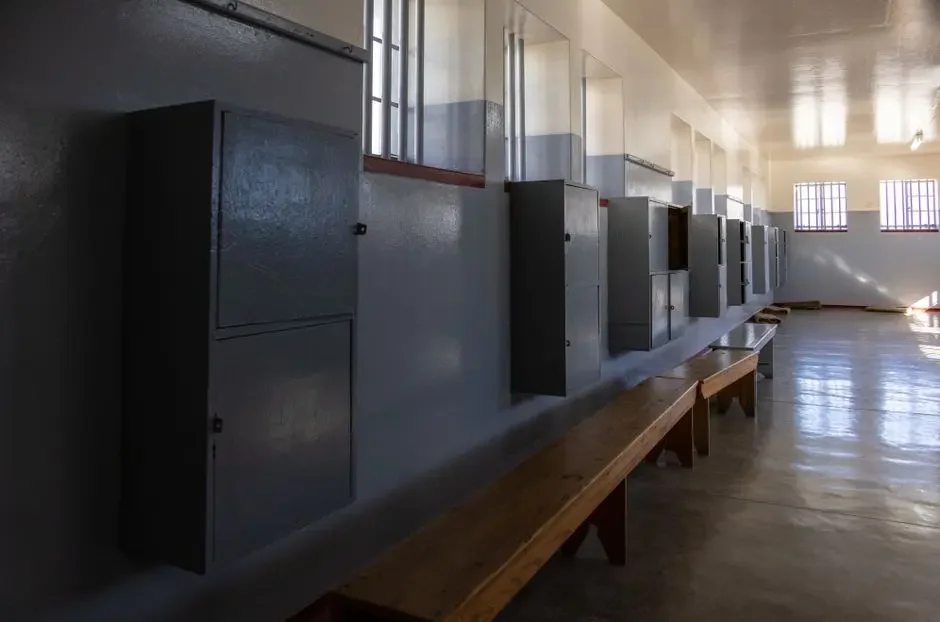
1. Introduction to Miami's Detention Center
Miami houses one of the most prominent detention centers, serving as a critical component in the criminal justice system. Let's explore what roles it plays and whom it serves. The facility is designed to accommodate a diverse population, from those awaiting trial to individuals serving short-term sentences. This wide range of occupants makes the center integral to the area’s judicial processes, impacting countless lives daily. Beyond mere incarceration, Miami's detention center provides opportunities for inmates to engage in rehabilitation programs aimed at reducing recidivism.
2. Navigating the System
Understanding how to navigate the detention center process can make all the difference. Learn what to expect from admission to release and where to find assistance. Upon entering the detention center, individuals undergo a thorough booking process, which includes fingerprinting and photographing. From there, knowing the internal structure—such as visitation hours, communication methods, and access to legal counsel—can lessen the burden on both the inmate and their families. Florida's legal aid resources can provide invaluable support during these challenging times.
3. The Role of Bail Bonds
Bail bonds are essential for those unable to pay the full bail amount. Let's delve into how they work and why they play such a vital role in the justice system. A bail bond serves as a financial guarantee that the defendant will appear in court. If the individual fails to show up, the bond is forfeited, and the bail bond agency is responsible for the entire bail amount. This system ensures that even those who cannot afford high bail costs have a chance to return home while waiting for their trial.
4. Different Kinds of Bonds
Various types of bail bonds exist to cater to different situations. Understanding these can help you make the best decision during stressful times. The most common types include cash bonds, where the full amount is paid upfront, and surety bonds, which involve a third-party guarantor. Other forms like property bonds or federal bonds are reserved for specific circumstances, each with its own set of requirements and implications. Familiarizing yourself with these options is crucial in navigating the complex bail process effectively.
5. Meeting a Bail Bondsman
Bail bondsmen are key facilitators in the bail process. Here's what to know about working with one, including what questions to ask. When seeking the services of a bail bondsman, it’s vital to inquire about their licensing and experience, as well as the specific terms associated with the bond. Ensure clarity on the percentage fee, typically 10-15% of the bail amount, and any additional collateral requirements. A well-informed decision makes the entire process smoother and minimizes potential legal complications.
6. Responsibilities of an Indemnitor
Being an indemnitor carries significant responsibility. This section breaks down what it means and the obligations it entails. As an indemnitor, you're essentially co-signing the bail bond agreement, taking on the responsibility for the defendant's appearance in court. Failure to comply can lead to financial loss and a strain on your personal relationships. It’s not a decision to be taken lightly, and understanding the legal commitments beforehand is crucial for safeguarding your interests and ensuring a successful outcome.
7. Legal Procedures and Timelines
How long does the process take, and what legal nuances should you be aware of? We’ll cover the timelines and legal procedures involved. The timeline from arrest to arraignment typically spans 24-72 hours, during which the bail amount is determined based on the severity of the crime and the defendant's history. Any delays can significantly impact the duration of confinement, hence the necessity of prompt action. Understanding these phases can aid in managing expectations and planning effectively.
Legal complexities vary with each case, and being properly informed places you in a better position to navigate these intricacies. Factors like jurisdiction, case severity, and past records all influence the judicial process. Familiarizing yourself with Miami’s legal proceedings can provide clarity and help in preparing the necessary documentation well in advance.
8. Financial Implications
There are costs associated with bail bonds beyond the initial fee. Understanding these can prevent unwanted surprises later on. Besides the non-refundable percentage fee, other costs such as administrative charges and collateral valuations can arise. These financial implications necessitate careful planning and budgeting. It is advised to keep transparent communication with your bail bondsman to avoid hidden fees and ensure you are clear on the total financial commitment required.
9. Your Rights and Resources
Knowing your rights during the process is crucial. Discover the resources available to those going through detention and bail proceedings. The Sixth Amendment guarantees your right to a fair trial and legal assistance. Various organizations offer legal aid services to help navigate this process, providing assistance in understanding legal documents and offering representation when needed. Familiarizing yourself with local and state legal resources is vital, ensuring your rights are protected throughout the process.
10. Staying Informed and Prepared
Staying informed is your best defense against misunderstandings. Here’s how to ensure you’re always ready and prepared. Regularly updated knowledge on current legislative changes and procedural updates can help anticipate potential challenges. By proactively engaging with community resources and support networks, you can obtain up-to-date information that keeps you a step ahead. Being equipped with such insight is crucial for effective decision-making in stressful situations.