
12 Little-Known Facts About Federal Prisons in Miami Dade County
When you think of Miami Dade County, images of beautiful beaches and vibrant nightlife might come to mind. However, nestled within this bustling region are federal prisons that few know much about. In this piece, we'll uncover some intriguing and lesser-known details about these facilities that might surprise you.
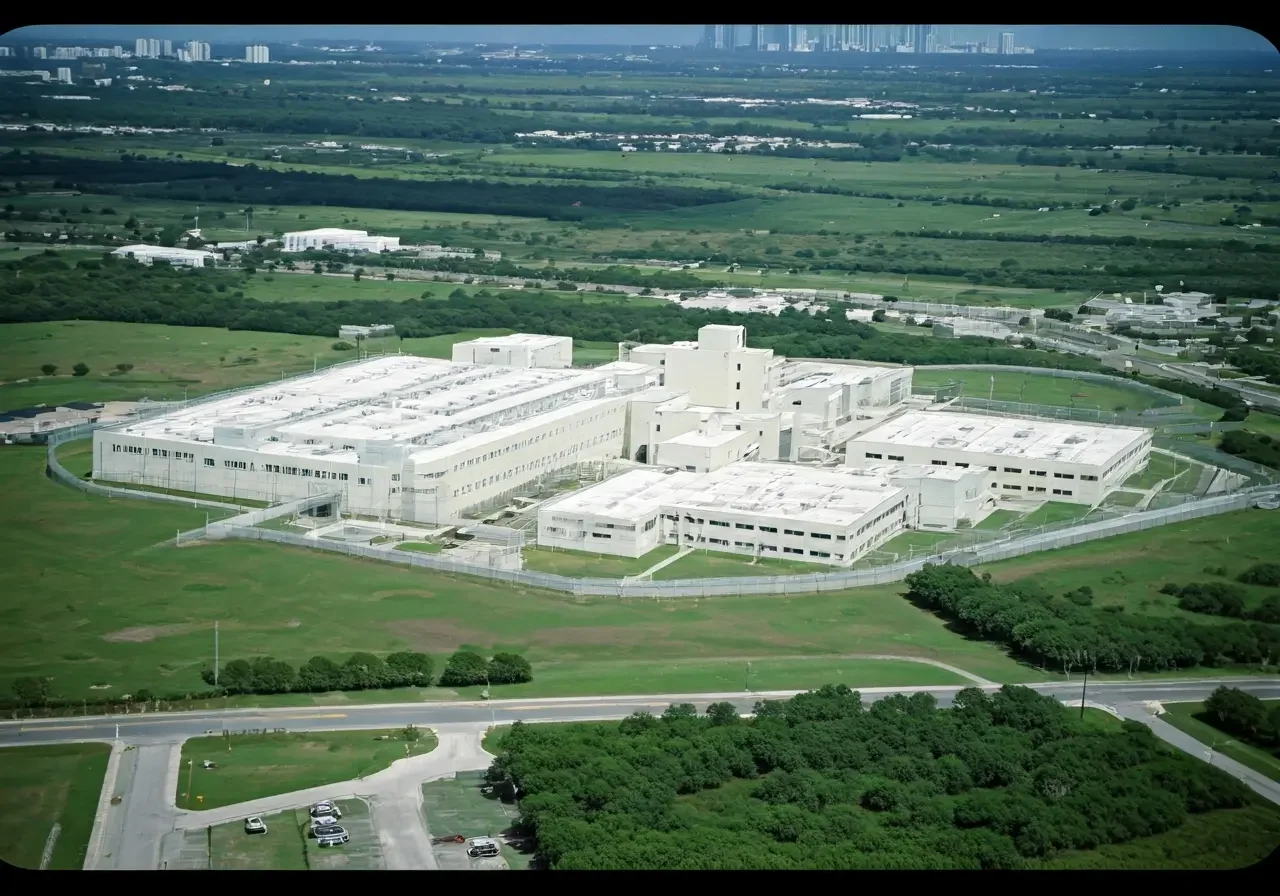
1. A Rich Historical Background
The federal prisons in Miami Dade County have a deep and complex history. Established during significant periods of the county's development, they reflect a unique part of the area's heritage. Over the decades, these facilities have witnessed pivotal events in both local and national history. The evolution of these prisons from their original constructions to their current states mirrors societal changes over time, serving as a physical reminder of the past and the ongoing journey toward progress and reform.
Throughout the ages, Miami Dade's federal prisons have housed notorious personalities and been part of major historical frameworks. They continue to play a crucial role in maintaining legal order and are an integral part of the justice system in Miami Dade County. Their existence speaks volumes about the broader historical context of law and order in America, highlighting both achievements and challenges in the path to justice reform.
2. Diverse Inmate Population
With Miami Dade's proximity to the Caribbean and Latin America, these institutions house a particularly diverse group of inmates, providing a glimpse into the broader cultural landscape of the region. This diversity is not only a testament to Miami's vibrant multicultural tapestry but also presents unique challenges and opportunities for the prison system in terms of cultural sensitivity and program effectiveness. Understanding the complexities of an inmate population can help tailor programs that resonate with and effectively serve this diverse community.
3. Innovative Rehabilitation Programs
Federal prisons in Miami Dade County are known for pioneering rehabilitation programs aimed at reducing recidivism and preparing inmates for successful reintegration into society. These initiatives include educational opportunities, vocational training, and psychological support systems, all designed with the end goal of fostering self-sufficiency and preventing repeat offenses. By focusing on rehabilitation rather than punishment, these programs underscore a shift toward a more compassionate and effective approach to corrections.
Moreover, these innovative programs are made possible through collaborations with various community organizations and volunteers who bring fresh perspectives and resources to the table. This synergy is crucial for creating a supportive environment where meaningful change can occur, both inside and outside the prison walls.
4. Unique Architectural Designs
Many of these facilities boast unique architectural features that blend security with innovative design, making them stand out among federal prisons across the country. Incorporating advanced security measures within aesthetically pleasing environments, these designs can contribute to a more humane living condition for inmates. This attention to aesthetic detail can also improve morale for both staff and inmates, fostering a sense of respect and dignity that is often lacking in more traditional prison designs.
5. Focus on Educational Opportunities
Education is a cornerstone in these prisons, with programs available ranging from basic literacy to advanced vocational training. By empowering inmates through education, the federal prisons in Miami Dade County are taking steps towards reducing recidivism and fostering a more hopeful outlook towards future possibilities. As education paves the pathway to productive citizenship, these programs hold the promise of transforming lives and facilitating successful reintegration into society.
6. Environmental Challenges
Facing the humidity and storms characteristic of Miami Dade, these prisons have to adapt constantly to environmental challenges that impact everyday operations. The design and maintenance of these facilities need to take into account the severe weather conditions typical to the region, such as hurricanes and flooding risks. These challenges require significant investment in infrastructure and emergency preparedness to ensure the safety and security of both inmates and staff, highlighting the unique operational hurdles that come with the Miami Dade territory.
7. Community Engagement
Nearby communities have a unique relationship with these federal prisons, marked by both collaboration and tension over the years. Community involvement is crucial in creating transparency and encouraging mutually beneficial outcomes. From local outreach programs that involve the community in rehabilitation efforts to potential conflicts that arise over the presence and expansion of such facilities, the relationship is complex yet vital for maintaining a harmonious coexistence. The ongoing dialogue between federal prisons and the communities they inhabit is essential for fostering trust and cooperation.
8. Specialized Medical Services
To address the health needs of inmates, the prisons are equipped with specialized medical facilities offering a wide range of services. This includes comprehensive mental health care, dental services, and chronic disease management, crucial for maintaining overall well-being. These services strive to meet the unique health demands of the inmate population and reflect a broader recognition of the importance of health care in supporting rehabilitation and quality of life within the prison system.
9. Impact of Federal Policies
Federal policies significantly influence operations, affecting everything from sentencing to day-to-day processes within the prisons. Recent reforms and policy changes aim to address systemic issues such as mandatory sentencing guidelines and the push for decarceration. These policies are quintessential in shaping the prison environment and underscore the shifting landscape of criminal justice in the U.S., reflecting broader societal movements towards more equitable and efficient justice systems.
10. Economic Contributions
These federal institutions contribute to the local economy by providing jobs and partnering with local businesses. The economic impact extends beyond direct employment; it includes substantial expenditures related to the daily operations of these facilities, thereby benefiting the surrounding community. This financial contribution helps sustain local economies and emphasizes the multifaceted role that federal prisons play in the fabric of Miami Dade County.
11. Challenges with Overcrowding
Overcrowding remains one of the biggest challenges, affecting both living conditions and the quality of programs available to inmates. The struggle to manage limited space and resources can lead to tension and hinder the effectiveness of rehabilitation efforts. Addressing overcrowding requires a multifaceted approach, including policy reform, investment in new facilities, and the development of alternatives to incarceration, each contributing to the alleviation of this enduring issue.
12. Stories of Redemption
Despite the challenges, there are countless stories of personal transformation and redemption emanating from these prisons, exemplifying the power of change. Individuals who have turned their lives around serve as powerful testimonies to the potential for growth and healing. These inspiring narratives showcase the triumph of the human spirit and emphasize the importance of continued support and opportunities for prisoners striving to reintegrate into society successfully.