
Understanding Jacksonville Bail Bonds: What You Need to Know
Navigating the world of bail bonds can be daunting, especially if you're experiencing it for the first time. This post will guide you through the essentials of Jacksonville bail bonds, helping you understand what they are, how they work, and what you need to know if you or a loved one ever need one.
What Are Bail Bonds?
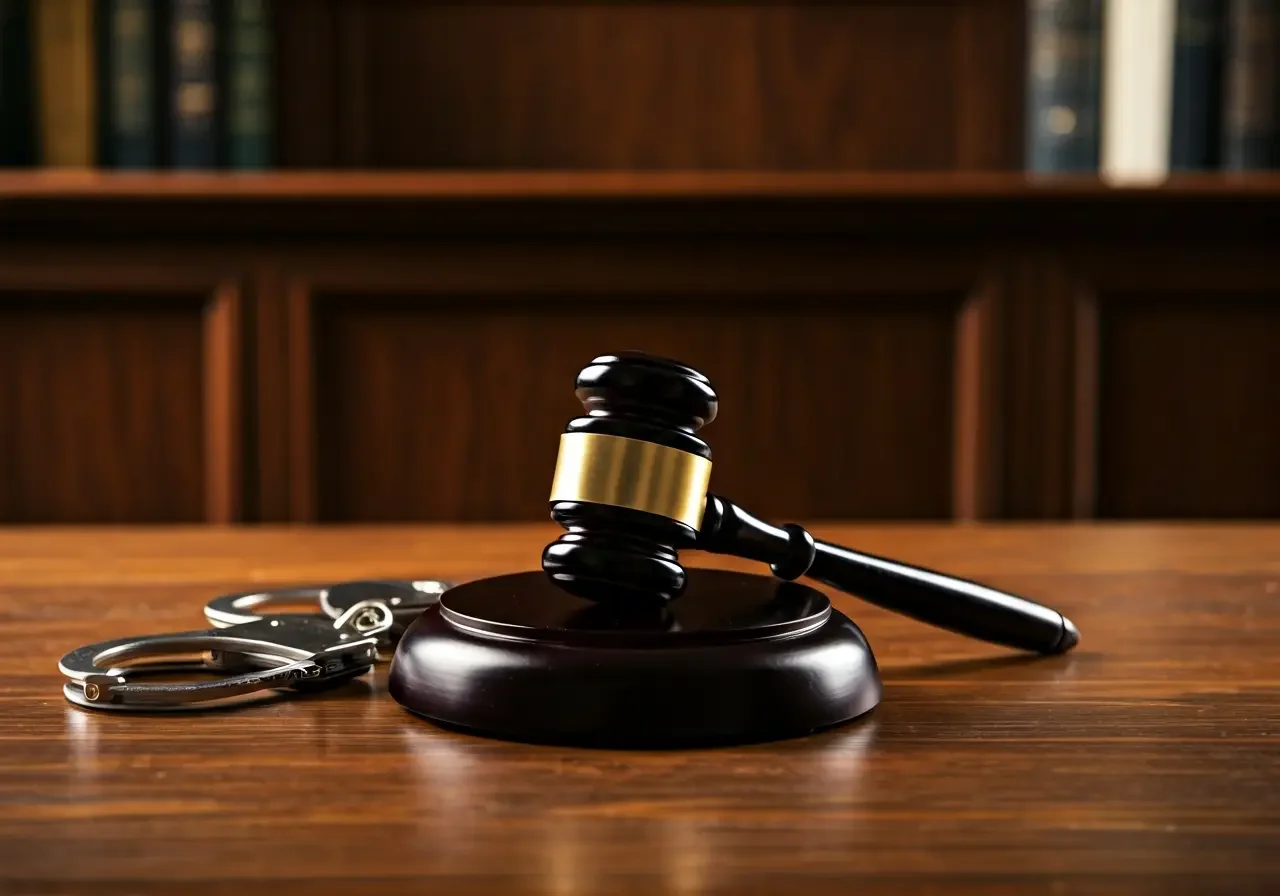
Bail bonds serve as a financial guarantee that a person will appear for their court date after being released from jail. They are crucial in the judicial system, offering a way for individuals to maintain their daily lives while awaiting trial. Understanding the basis for bail bonds is essential, as they are often a necessity for those who cannot afford the total bail amount set by the court. In such cases, contacting a bail bondsman can be a pivotal step in regaining freedom before the trial date.
The concept of bail is rooted in the principle of presumed innocence until proven guilty. By allowing individuals the chance to return to their community until their court date, bail bonds contribute to a balance between civil liberties and judicial accountability. They offer a mechanism through which the courts can ensure that a defendant is motivated to appear in court by leveraging their financial obligation. This system is particularly significant in Jacksonville, where the legal process can vary slightly due to local jurisdictional rules.
How Do Bail Bonds Work in Jacksonville?
In Jacksonville, the bail bond process involves a few straightforward steps. A bond agent pledges money or property as bail for the appearance of a defendant in court. It's a familiar process that helps ensure the defendant can continue their daily life while addressing legal obligations. Typically, the defendant or their family pays the bail bondsman a percentage of the total bail amount, usually around 10%. This fee is non-refundable; it serves as a payment for the agent's service in assuming the financial risk of the bond.
After posting bail on behalf of the defendant, the bond agent assumes the responsibility of ensuring the defendant appears in court. If the defendant fails to do so, the bond agent may employ a bounty hunter to locate and return the defendant to the judicial system. It's vital to note that each state, including Florida, may have specific regulations regarding how bonds are processed and enforced. Understanding these regulations can help one appreciate why procedures may differ slightly depending on the local jurisdiction.
At its core, the bail system in Jacksonville aims to ensure the defendant's participation in their upcoming court hearings. It offers a structured framework that balances fairness with accountability, allowing individuals accused of a crime to maintain some normalcy in their lives while legally bound to meet their obligations. For those needing assistance with bail in Jacksonville, familiarizing oneself with the nuances of this process is crucial for seamless navigation and successful completion.
Types of Bail Bonds Available
Navigating the types of bail bonds can be complex. In Jacksonville, you typically encounter options like cash bonds, surety bonds, and property bonds. Each has its own requirements and implications, so understanding them is vital. Cash bonds require the defendant or their family to pay the full bail amount upfront, refundable upon fulfilling court obligations. Surety bonds involve a bail bondsman who charges a fee and provides the bail money on behalf of the defendant.
Property bonds are another alternative, where real estate or other significant assets serve as collateral in case the defendant fails to appear in court. While less common due to the complexities involved in valuing and securing property, these bonds offer a viable solution for those unable to afford cash or surety options. It's important to choose the right type of bond based on your financial situation, the bail amount, and the specifics of the charges faced. Being informed about these alternatives can alleviate the stress associated with securing bail.
Additionally, understanding the conditions and requirements of each type of bond ensures compliance with legal stipulations and helps avoid unfavorable outcomes, such as forfeiture of bail amounts or additional legal ramifications. Leveraging available resources and consulting with an experienced bail agent can provide clarity and drive more informed decisions in securing the best bail solution.
Choosing a Reliable Bail Bond Agent
Selecting the right bail bond agent can make a significant difference in your experience. It's essential to consider factors such as experience, reputation, and transparency when choosing an agent to ensure the best possible outcome. Look for agents with a proven track record of reliability and professionalism. Trustworthy agents will communicate clearly about their fees, the bail process, and any responsibilities you need to be aware of. Checking reviews and obtaining recommendations from previous clients can further help you make an informed choice.
Moreover, seeking an agent who is responsive and available can be invaluable, especially in urgent situations. This person holds significant responsibility for representing your interests in court, so ensuring they are accessible and helpful can greatly ease the stress of an otherwise challenging time. Local Jacksonville agencies that specialize in bail bonds often have the advantage of familiarity with the specific courts and legal practices in the area, providing an added layer of assurance and expertise.
For those unfamiliar with the process, visiting informational resources on the bail bond service page of Blandon Bail Bonds can offer valuable insights into how to choose the right agent and navigate the process with confidence. Ensuring you have a reliable ally in this endeavor not only aids in managing immediate needs but also sets a better foundation for dealing with the legal proceedings ahead.
Understanding the Costs Involved
While bail bonds provide a valuable service, they do come with costs. It's important to be aware of the fees and any financial commitments involved, so there are no surprises down the road. Typically, the standard fee charged by a bail agent is 10% of the bail amount. This non-refundable fee is the cost of having the agent assume the risk and responsibility of the defendant's release. Understanding this fee structure helps in planning and managing your finances effectively during this time.
Besides the standard fee, some agents might charge additional costs for services like travel, phone calls, or if the agent needs to hire someone to ensure the defendant appears in court. It is crucial to discuss all potential charges upfront and receive a comprehensive breakdown of costs to avoid unexpected expenses. Transparency in fees not only fosters trust but also underscores the financial realities tied to securing a bail bond.
By leveraging resources like the Jacksonville bail bonds page, individuals can get a clearer picture of what these costs entail and how they fit into the broader legal and financial scenario. This proactive approach supports informed decision-making and helps minimize the financial strain connected to such a significant legal process.
What Happens if You Miss a Court Date?
Missing a court date when out on bail can have serious consequences. Understanding these potential repercussions and how they might affect your bail bond agreement is crucial for anyone navigating this process. Primarily, failing to appear in court can lead to forfeiture of the bail amount. For those on a surety bond, this could mean substantial financial loss, as the full bail amount becomes due, impacting both personal and your guarantor's financial situation.
Additionally, a missed court date often results in an arrest warrant being issued. This action could lead to additional legal complications, including more stringent bail terms or even denial of bail altogether in future hearings. To avoid such outcomes, it is imperative to keep track of court dates and communicate openly with your bail bondsman if difficulties arise in meeting these obligations.
Having a contingency plan and communicating proactively with legal representatives or bail agents facilitates better management of unexpected situations. Utilizing resources like legal advice services may provide crucial guidance and support in maintaining the compliance needed to fulfill court requirements and uphold your bond agreement successfully.
Empower Yourself with Knowledge of Bail Bonds
Understanding the bail bond process is crucial for anyone who might find themselves or someone they care about in need of this service. With this guide, you should feel more empowered to navigate the Jacksonville bail bond system effectively and make informed decisions.