
The Ins and Outs of Monroe County Florida Detention Center Procedures
Navigating the procedures of any detention center can be daunting, especially in Monroe County, Florida, with its specific guidelines and rules. Whether you're a visitor, a new employee, or someone interested in how the justice system functions at this level, understanding these protocols is essential. Let's break down the basics in a clear and straightforward way to help you make sense of the system.
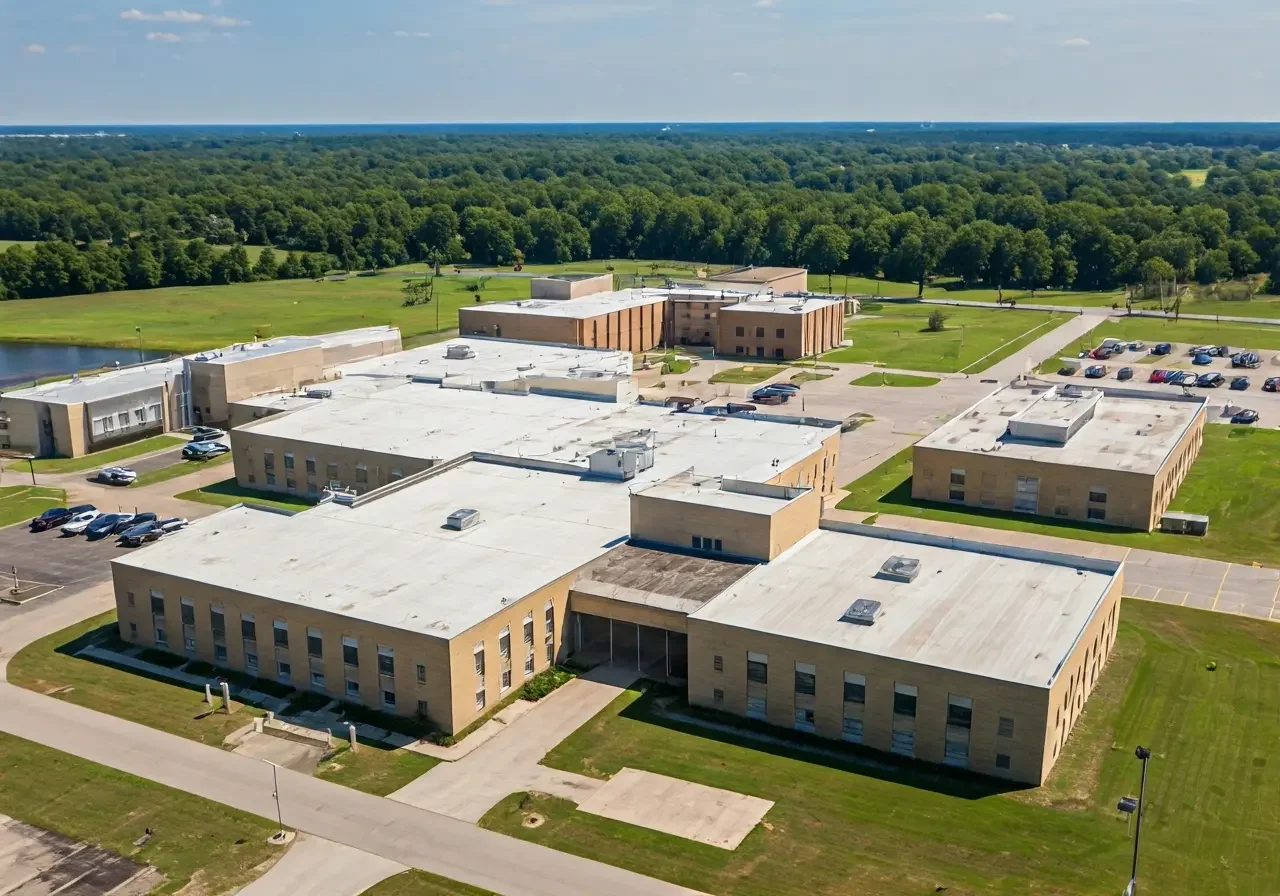
An Overview of Monroe County Detention Center
Situated in the picturesque locale of the Florida Keys, Monroe County Detention Center plays a pivotal role in the local justice system. It serves multiple purposes, from housing pre-trial inmates to detaining those serving short-term sentences. Understanding its operation is key to recognizing the role it plays in maintaining public safety. The facility's strategic location helps manage the unique challenges of a community spread across islands, providing essential services to ensure justice is served efficiently across the region.
The detention center is equipped with modern amenities aimed at supporting both the staff and the inmates. By fostering a safe environment, it ensures that the facilities meet the needs of everyone involved in the judicial process. Unlike larger prison complexes, the center's design focuses on not only securing detainees but also creating a rehabilitative space. This careful balance helps in managing the diverse population it serves, ranging from minor offenders to those awaiting trial.
Intake and Booking Procedures
When someone arrives at the detention center, they go through an intake and booking process. This crucial step involves fingerprinting, photographing, and gathering personal information. It's the starting point for anyone entering the facility and sets the tone for their stay. This process is meticulously organized to ensure that both the legal requirements and individual needs are addressed efficiently, maintaining an essential balance between procedural thoroughness and personal dignity.
It's important to note that the booking procedure is not just about processing personal data. It's a key phase where inmates are assessed for medical needs and security risks, allowing the center to tailor their accommodations accordingly. This assessment informs everything from cell assignments to dietary needs, emphasizing that each detainee's circumstances are carefully considered from the outset. Such considerations help in minimizing any potential issues that could arise from the diverse populations housed together in the facility.
Day-to-Day Life of Inmates
Inmates' daily routines are structured to ensure security and order. From scheduled meals to recreational activities, understanding these routines helps clarify what life inside the facility is like. These activities are designed to promote both safety and a semblance of normalcy for those incarcerated. The rigid yet fair scheduling aids in fostering a stable environment where tension can be diffused through predictable routines and productive tasks.
The facility's management places a strong emphasis on balance—ensuring that while security is paramount, the importance of humane treatment and psychological well-being is not overlooked. Regular educational sessions and group activities are organized to encourage personal growth and social interaction within safe bounds. These initiatives help in not just managing behavior but also in preparing inmates for reintegration into society, underscoring the detention center's commitment to rehabilitation over mere incarceration.
Visitation Policies
Visiting loved ones is critical for maintaining familial relationships during incarceration. The Monroe County Detention Center has specific hours and guidelines to facilitate this. Knowing these rules helps ensure that visits are smooth and stress-free for both inmates and their families. The center's visitor protocols are crafted to strike a balance between security and accessibility, making them straightforward for families to follow while maintaining the necessary safeguards.
Scheduling a visit requires a bit of preparation, including prior registration and adherence to the facility's dress code and conduct guidelines, designed to ensure a respectful environment for everyone involved. Visitors are advised to arrive early to allow time for security checks. Such measures, although meticulous, are in place to assure families of uninterrupted time with their loved ones. By sticking to these regulations, families contribute directly to the peaceful management of the center’s day-to-day operations.
Safety Measures and Facility Regulations
Safety is a priority at the Monroe County Detention Center, with strict regulations in place to protect both staff and inmates. Regular checks, restricted item lists, and rigorous surveillance ensure a secure environment. Understanding these measures provides peace of mind to inmates, staff, and visitors alike. Each safety protocol is a testament to the center's dedication to maintaining an atmosphere conducive to both security and rehabilitation.
Programs and Rehabilitation Efforts
Rehabilitation is an essential aspect of modern detention facilities, and Monroe County is no exception. Various programs aim to equip inmates with skills and support for a smoother transition back into society. Educational opportunities, vocational training, and counseling services are available to foster personal growth. By focusing on rehabilitation, the center acknowledges the potential for positive change, offering inmates a second chance through self-improvement and skill acquisition.
Wrapping Up: Navigating the Monroe County Detention Center with Ease
Understanding the procedures at the Monroe County Florida Detention Center is crucial for respecting the processes in place and ensuring the safety and efficiency of operations. From visiting loved ones to knowing how new inmates are processed, the details we explored provide a foundation for navigating the facility's operations smoothly. Remember, adhering to these guidelines not only benefits those directly involved but also contributes to a cohesive and secure community environment. Ready to learn more or need assistance? Feel free to contact us or visit our homepage.